Our 2017 video from Obon on Ishigaki ↗
Three days of remembrance
Obon is a time for remembering and welcoming ancestors. On Ishigaki and elsewhere in Okinawa, many communities observe it by the old lunar calendar, over the thirteenth to fifteenth days of the seventh lunar month. The three days are commonly known as Unke, Nakanuhi and Ukui: welcoming, the middle day and sending off. Practice varies between communities and households.
What follows is not a guide to every Obon custom in Yaeyama. It is what we saw and heard on Ishigaki in 2017, alongside a little local context.
Angama in Tonoshiro
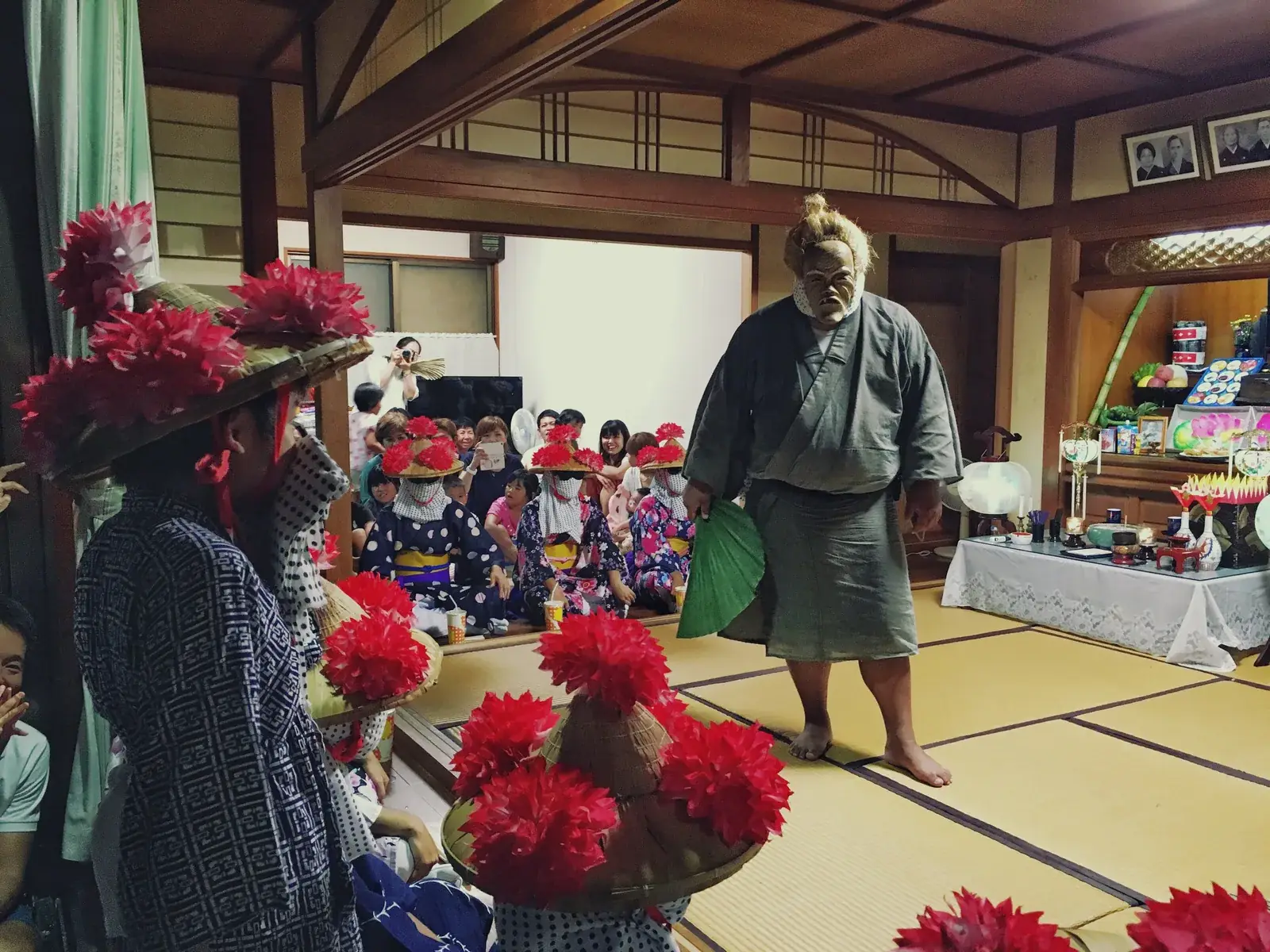
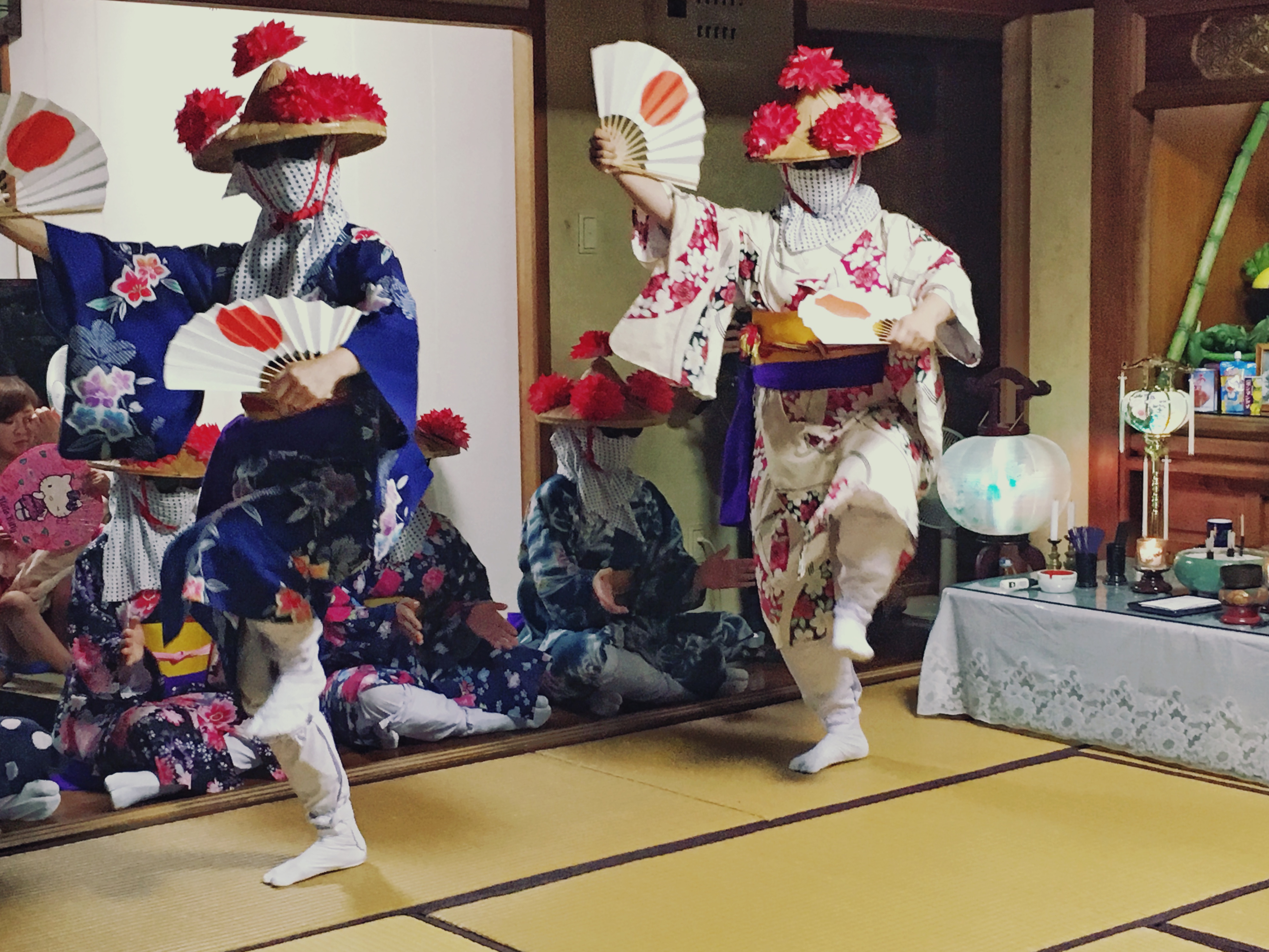
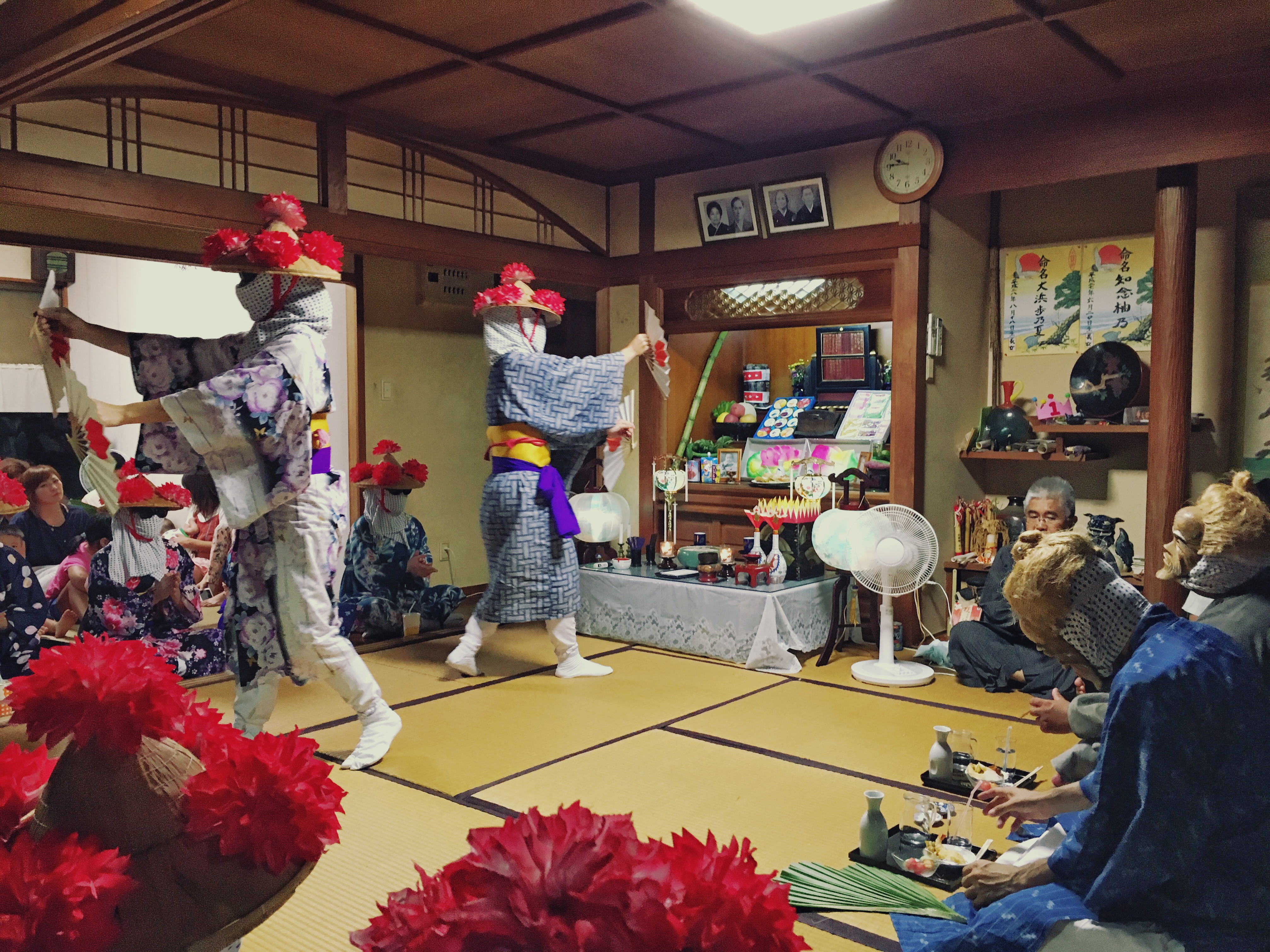
In Tonoshiro, we were welcomed into a home to see Angama. We watched the masked figures, the questions from the people gathered there, the humorous replies, then songs and dance. It was a full house, with family offerings at one side of the room and performers moving through the tatami space.
The Ishigaki City Yaeyama Museum identifies the masked pair as Ushumai, the elder man, and Nmi, the elder woman. During the Tonoshiro performance we saw, they were accompanied by Fama performers, who sang and danced. The questions and answers are an important part of the evening; in Tonoshiro, the humour was as present as the ceremony.

Inside the home
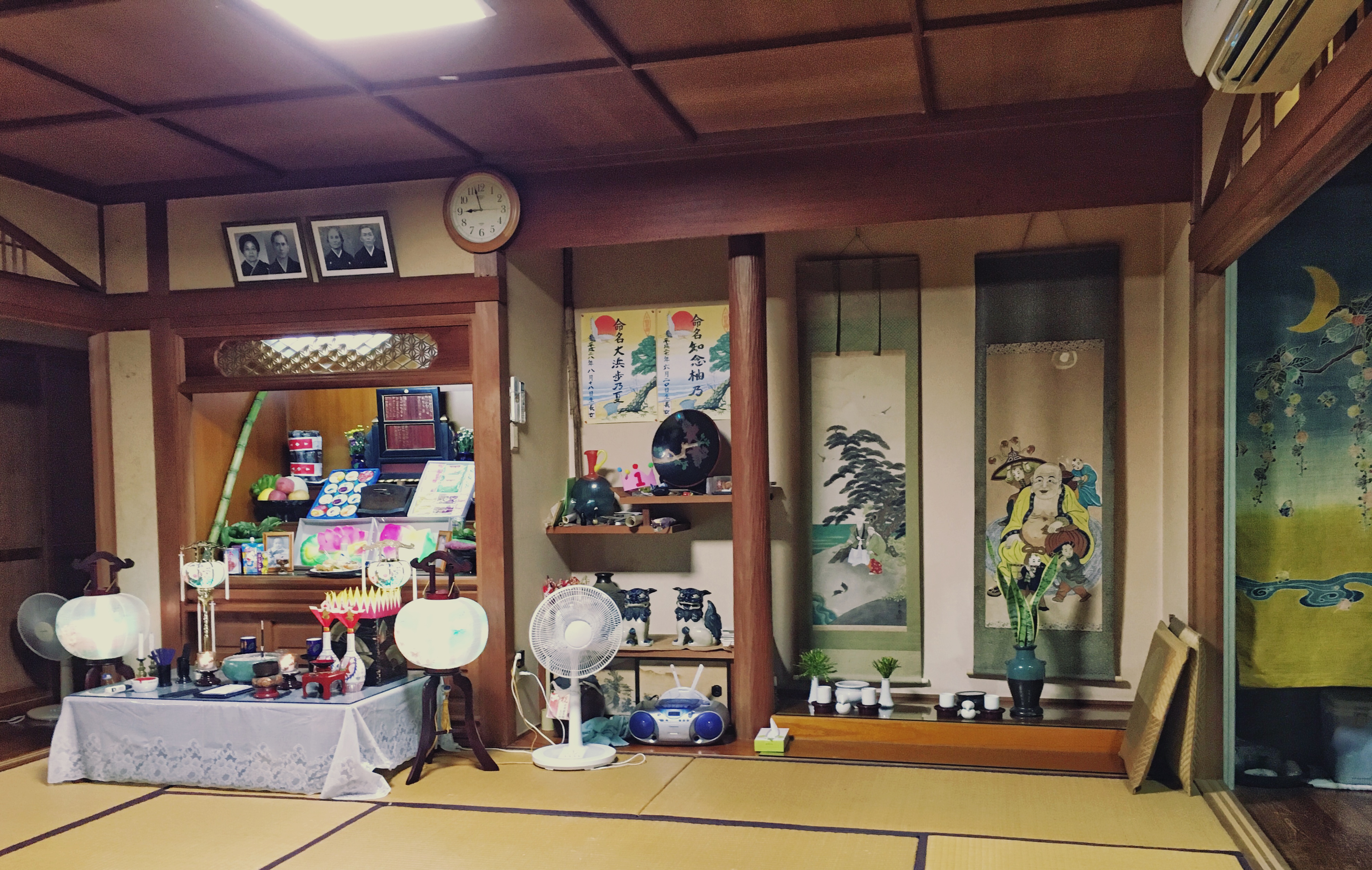
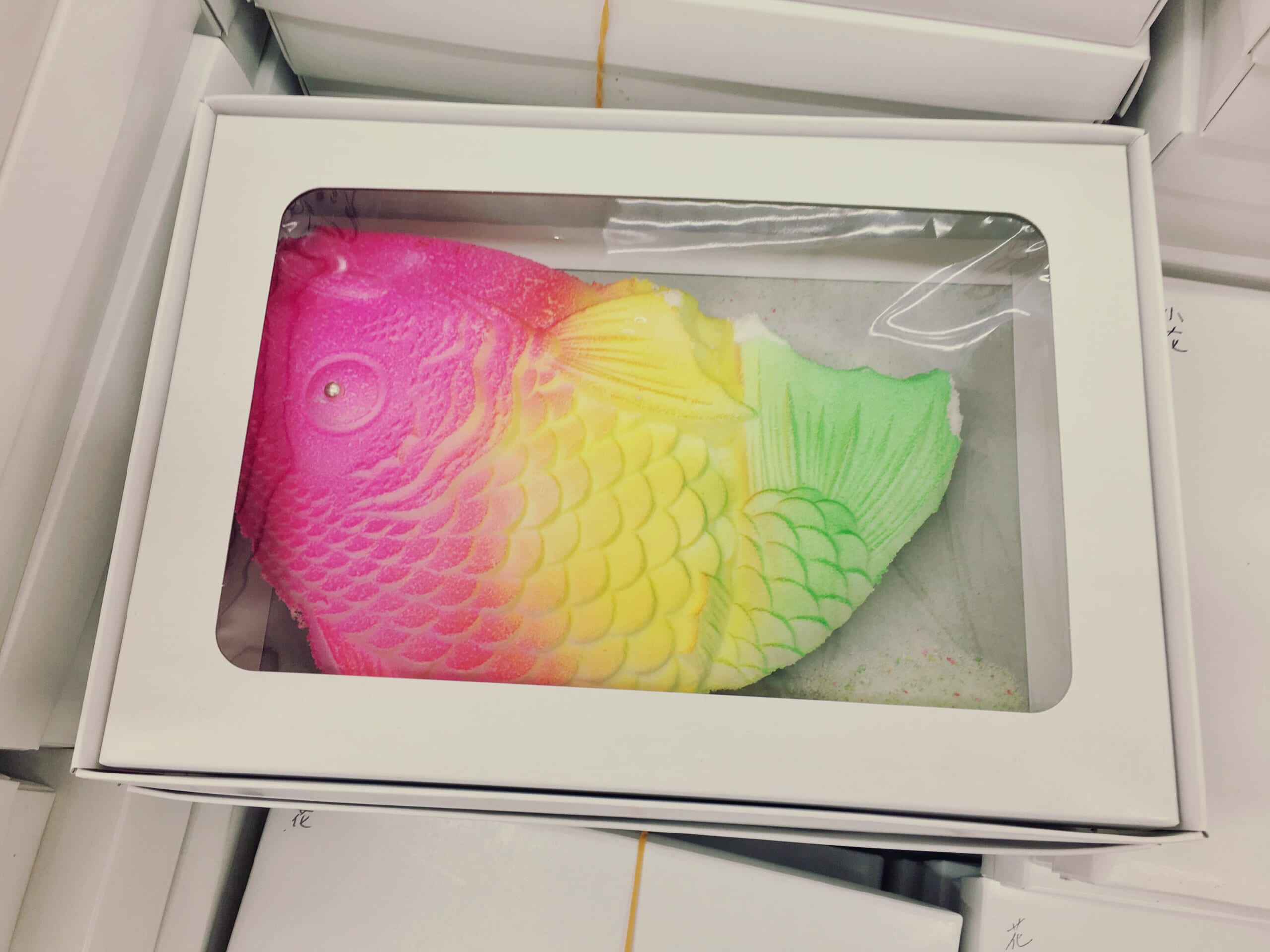
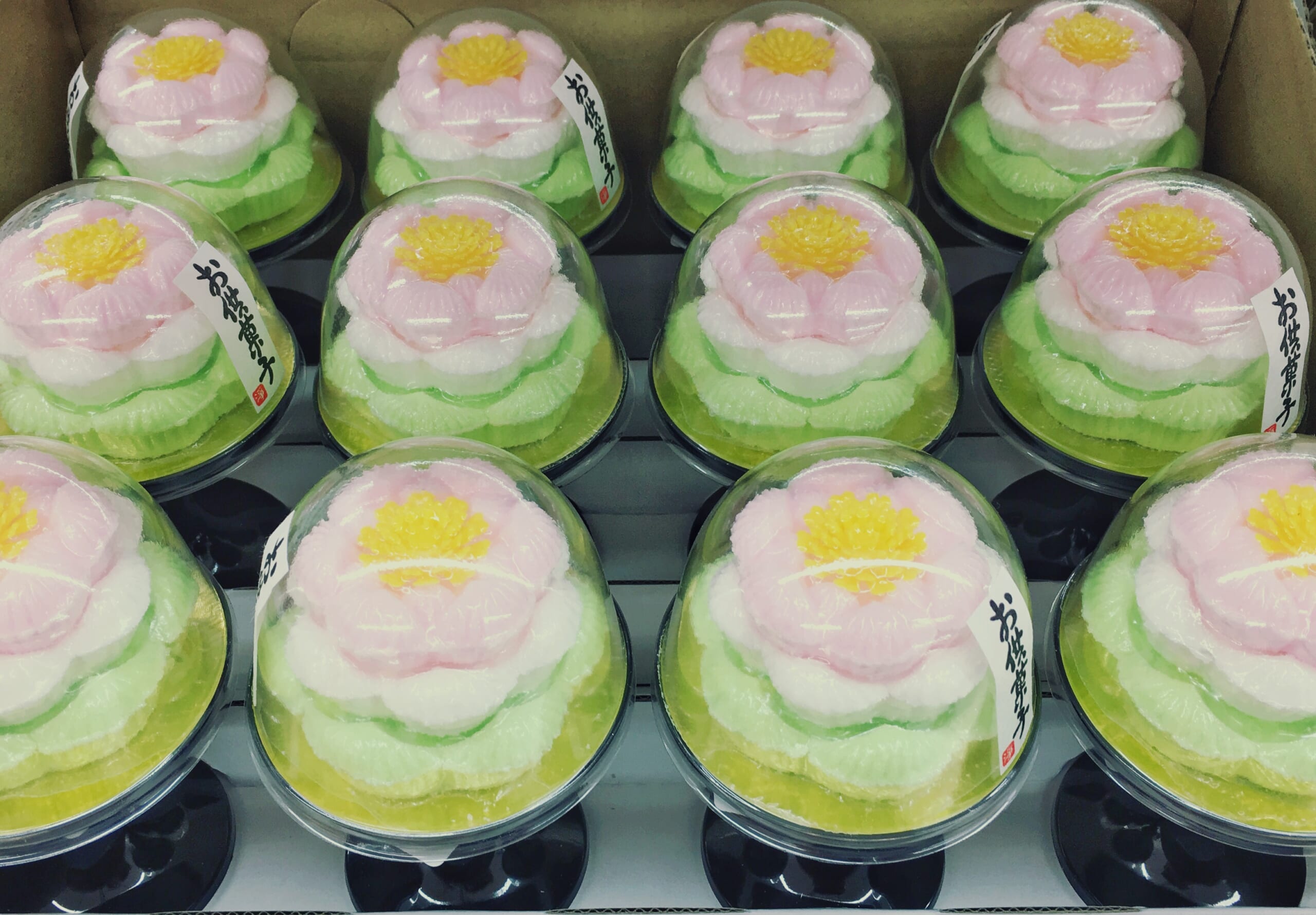
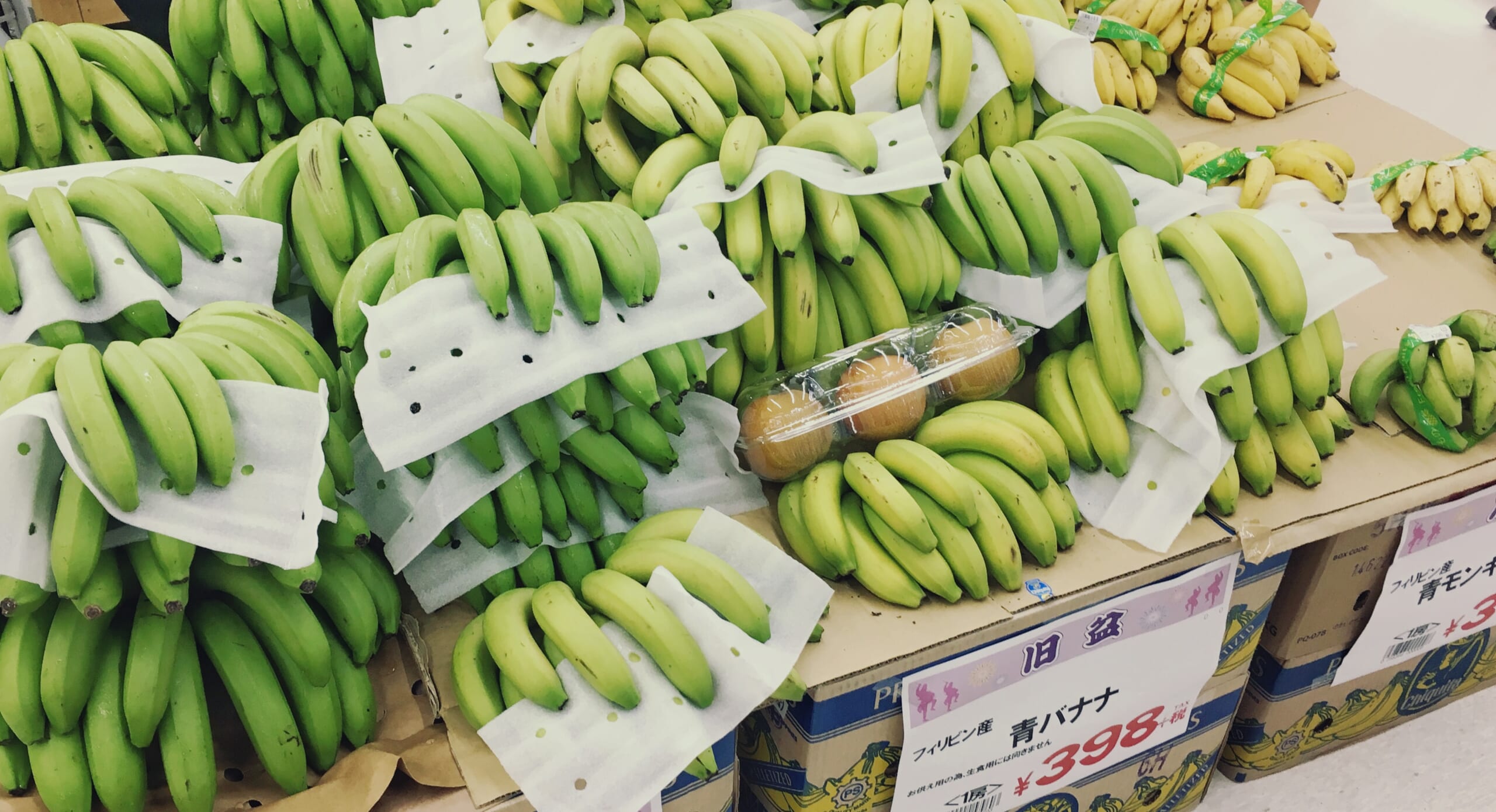
We saw offerings and an altar in the house we visited. They belonged to that evening and that home; we do not take them as a rule for every household on Ishigaki.
Something we were told
During Obon, someone on Ishigaki directly told us not to swim. We are keeping that as local advice we were given at the time, not as universal Yaeyama behaviour or marine-safety guidance.
In Shiraho, another tradition
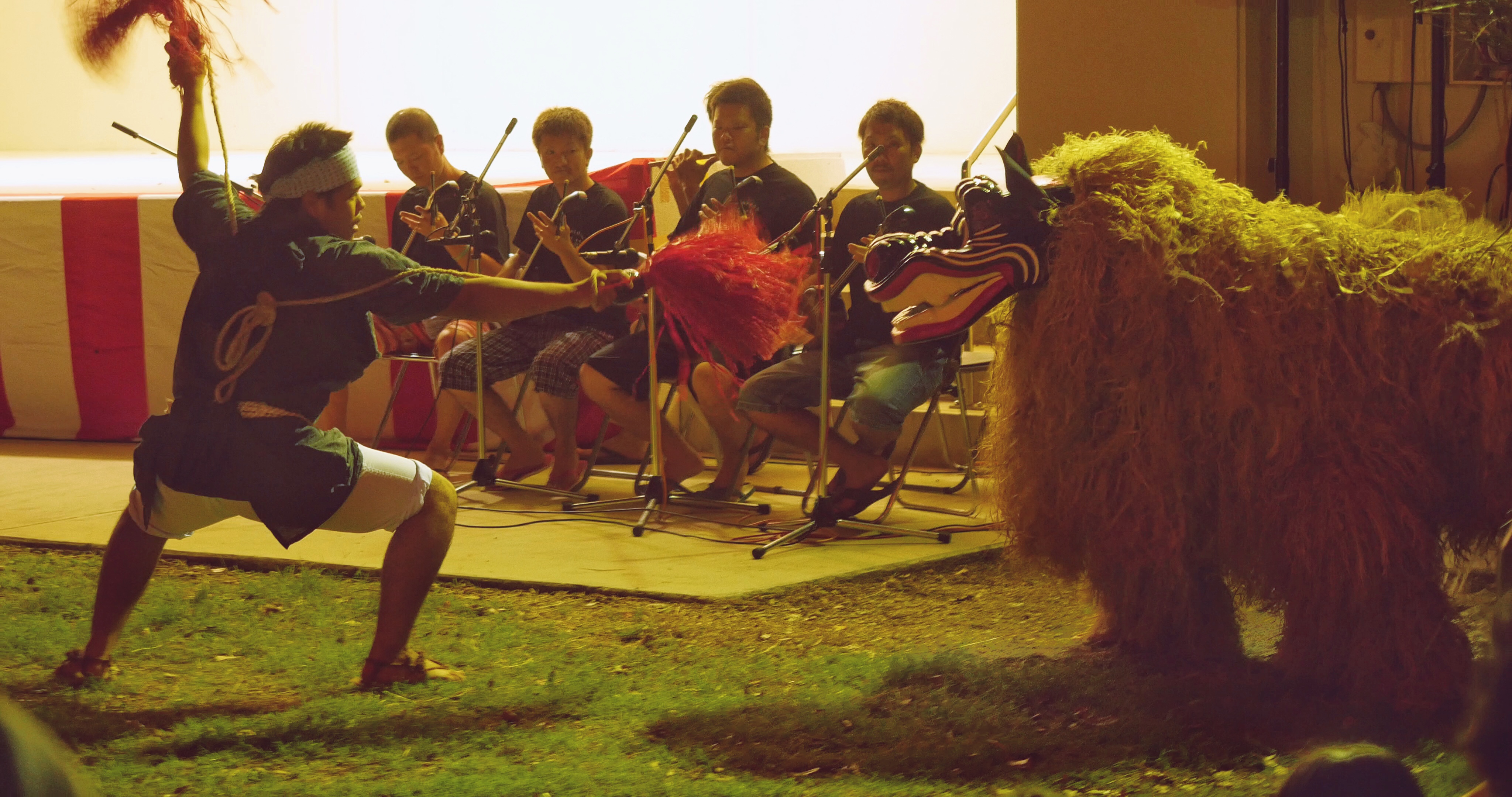
We also experienced the lion dance in Shiraho. This was not Angama, and we remember it as a separate tradition with its own character and setting.
Shiraho’s local community explains that lion dances visit homes during old-calendar Obon, with wishes for ancestor remembrance, family well-being and descendants’ health. We saw the lion dance in the village; local explanations connect a child being bitten or taken by the lion with wishes for health and well-being. We do not reduce that to a single universal meaning.
After Obon
In Shiraho, the post-Obon practice is called Itashikibara. Local sources describe it as taking place after the three days of old-calendar Obon, with lion dance connected to sending away spirits understood to remain after the observance. This is context for what we saw, not a description of every community’s practice.
Local context
For background on Angama terminology, Ishigaki City’s Yaeyama Museum identifies the Tonoshiro masks as Ushumai and Nmi. Shiraho’s own community source describes its lion dance and Itashikibara. These sources help place our 2017 memories without making them a general rule for the whole of Yaeyama.
Ishigaki City Yaeyama Museum: Tonoshiro Angama masks ↗
Shiraho Village: community traditions ↗