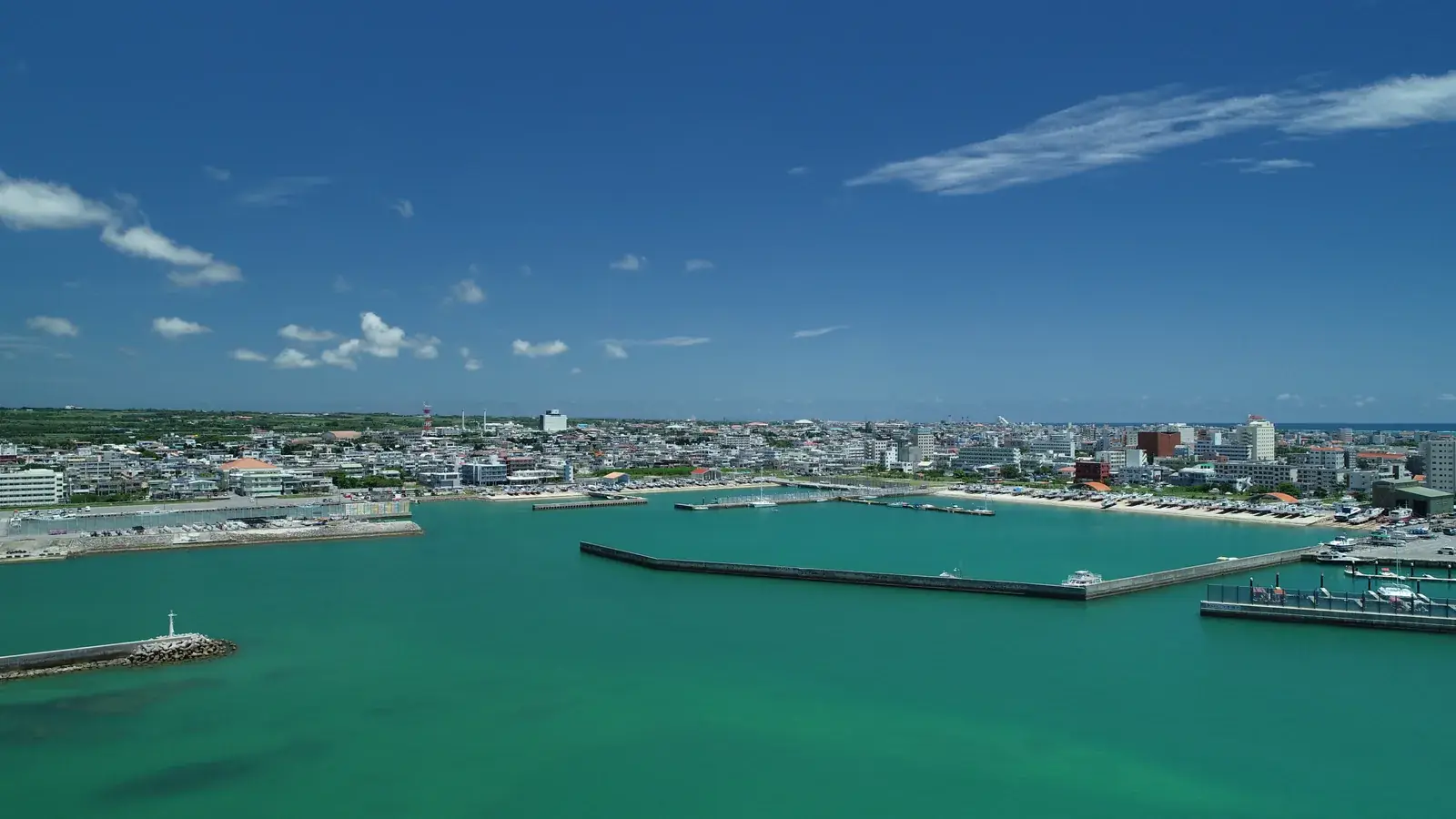
Do you need a car?
For exploring several countryside stops in one day, we recommend a rental car. It gives you freedom to stop between villages, carry what you need and change the order of the day.
A stay centred on Ishigaki City can work without one. Restaurants, shops and the ferry terminal make the town a useful base for walking and island visits.
| Your plans | A practical starting point |
|---|---|
| Time in central Ishigaki City | Walking, with buses or taxis for longer journeys. |
| A resort stay with occasional outings | Airport transfer, then buses, taxis or a short car rental for individual days. |
| A visit to Kabira or Yonehara | A bus visit shaped around the outward and return timetable. |
| Several countryside stops in one day | A rental car. |
| A day on Taketomi | Ferry, then walking or a rental bicycle. |
| An activity on Iriomote | Ferry and onward transport coordinated with the activity. |
A resort stay without a car
A family holiday centred on a resort’s beach and pools can work well without a car for the whole stay. You might spend most of your time there and arrange transport just for the days you want to go elsewhere.
Fusaki Beach Resort, for example, has a free airport shuttle for overnight guests, with local buses and taxis connecting it to town. For occasional outings, a taxi, a chartered sightseeing taxi or a rental car for one or two days are alternatives to keeping a car for the full week.
From the airport to town
Karry Kanko’s direct service, route 55, normally takes about 30 minutes from Ishigaki Airport to the ferry terminal. Azuma’s airport services have intermediate stops, which may suit your accommodation better.
The airport gives approximately 25 minutes by taxi to the ferry terminal, depending on traffic and the route. These are journey times; leaving the airport and waiting for transport add to the overall travel time.
The airport’s bus and taxi information lists the routes and links to operators’ timetables.
Kabira and Yonehara by bus
Kabira is served by Azuma buses from town. From the airport, route 11 travels towards Yonehara and Kabira Park. The connection for a day out depends on where you are staying.
The outward and return timetable helps you work out how long to spend there. A bus visit works well for time around one area; a car gives you more freedom to add beaches, cafés and countryside stops.
Azuma’s current route information gives departure times by route and direction.
Renting a car
The north, the mountains and the coast between villages are the parts of Ishigaki where a car is particularly useful. You can spend longer somewhere that interests you and move on when you are ready.
Think about meals and parking as well as the places you want to see. The rental company can confirm collection arrangements, luggage space and any child seats.
For driving documents, see Japan’s official driving guidance alongside the rental company’s requirements.
Our route around Ishigaki offers a starting point for choosing stops.
Bicycles and scooters
For Taketomi, we suggest renting a bicycle. It gives you time for the village and the shore within the same day. Several rental companies provide port transfers; the shop can explain its arrangements.
Walking is also an option if you prefer a smaller area. See our Taketomi guide.
On Ishigaki, the choice of bicycle or scooter depends on your route, experience, luggage and the weather. The rental shop can help match a vehicle to the journey. Electric bicycles and electric scooters can have different operating and licence requirements.
Ferries between the islands
On Iriomote, Uehara and Ohara are different arrival points. Your accommodation or activity provider can tell you which port to use and how to continue from there.
For a visit to the forest or rivers, we recommend arranging an activity in advance. The provider can explain where to meet and how to return. Our Iriomote guide gives more context.
Anei Kanko’s operating status and Yaeyama Kanko Ferry’s service information show which crossings are running. Sea conditions can affect each route differently.
Extra time between a ferry crossing and a flight or another booking gives you more room to adjust if services change.
For maps, photography and a closer introduction to island life, look inside our printed guide, ISL& Natural Guides: Ishigaki.