Spring
A good fit with mainland Japan.
We like spring for exploring outdoors and combining Ishigaki with a trip through mainland Japan. February can already bring brighter days; conditions remain changeable.
Our choice for a varied first visit.
An independent island guide
Ishigaki, Okinawa, Japan
Weather & seasons
For a varied first visit, we usually favour March and April or late October and November. Those months suit the kind of days we enjoy on Ishigaki: time outdoors, local food and exploring beyond the city. Summer appeals if warm days by the sea are your priority, while winter suits a stay centred on food, craft and island life. Rain is possible throughout the year, and ferry services depend on sea conditions in every season.
Spring
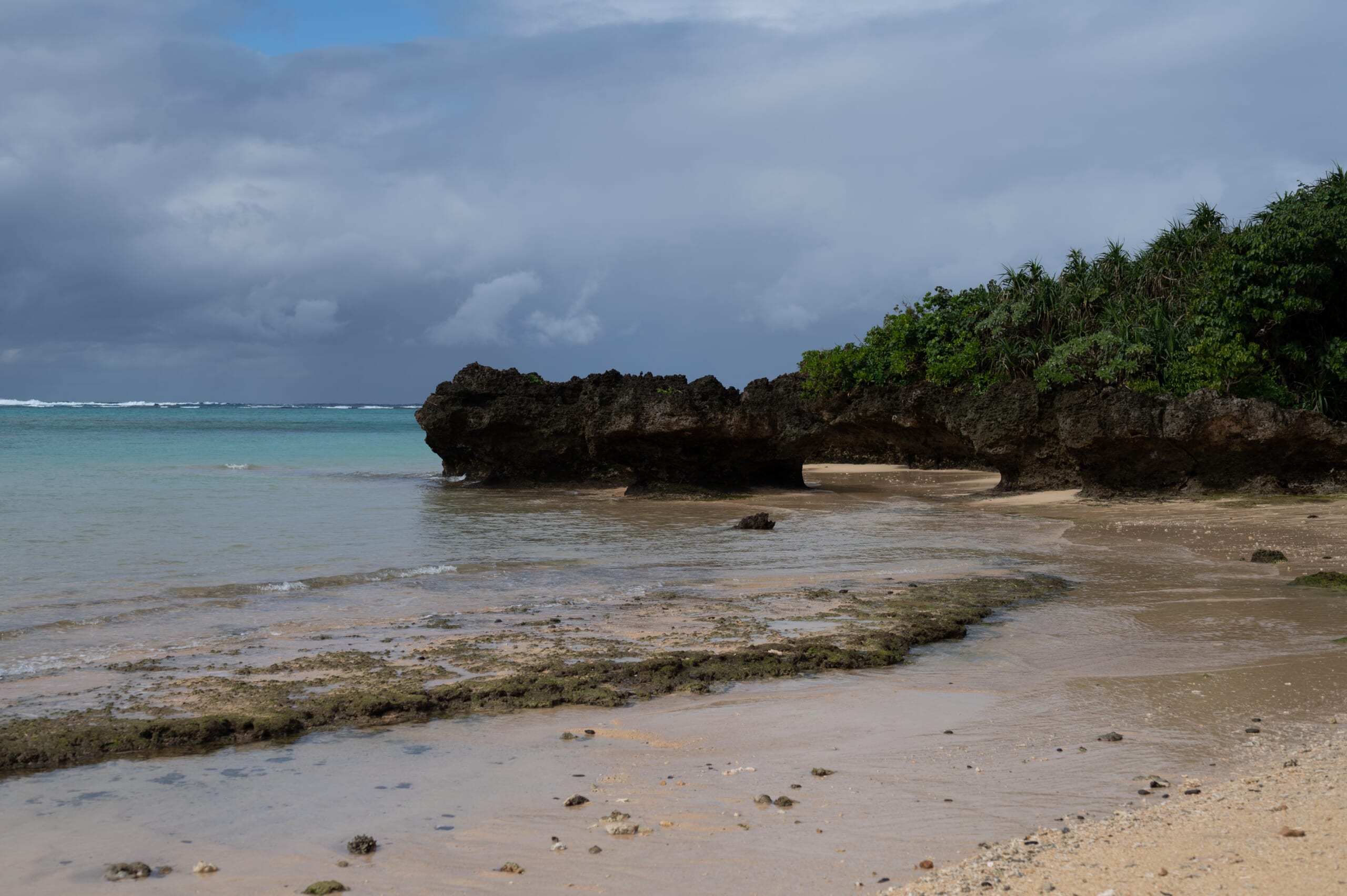
We like spring for exploring outdoors and combining Ishigaki with a trip through mainland Japan. February can already bring brighter days; conditions remain changeable.
Summer
Summer can be beautiful, with more Japanese holidaymakers and higher accommodation prices in busy periods. Heat, humidity and typhoons can affect what is practical.
Autumn
We often recommend autumn for time outdoors and a more comfortable pace. November can still be lovely. Typhoons remain possible, especially earlier in autumn.
Winter
December and January feel cloudier to us, although clear days do happen. Winter suits time for food, craft and exploring when beach weather is less important.
The numbers behind the seasons.
For a first visit, we usually favour March and April or late October and November for exploring. Summer brings warmer sea days, but also heat and a greater chance of interrupted travel. There is no single guaranteed dry month.
These monthly averages describe the climate, not the weather on a particular day. Rainfall totals are not a count of rainy days.
| Month | Average temperature | Average rainfall |
|---|---|---|
| January | 18.9°C | 135 mm |
| February | 19.4°C | 124 mm |
| March | 20.9°C | 134 mm |
| April | 23.4°C | 147 mm |
| May | 25.9°C | 191 mm |
| June | 28.4°C | 208 mm |
| July | 29.6°C | 142 mm |
| August | 29.4°C | 250 mm |
| September | 28.2°C | 260 mm |
| October | 26.0°C | 211 mm |
| November | 23.6°C | 138 mm |
| December | 20.5°C | 155 mm |
Climate averages (1991–2020), Ishigaki observation station. Source: Japan Meteorological Agency. Values are rounded to whole millimetres for rainfall.
Okinawa's rainy season usually runs from early May into late June, although the timing varies from year to year. It does not mean continuous rain, and showers can occur in any month.
Typhoons can affect Ishigaki as early as May and remain possible into autumn. Approaches to Okinawa are most frequent in August and September, but timing varies from year to year. Check current warnings and allow flexibility around flights, ferries and activities. See the JMA typhoon statistics.
From living here
A typhoon can mean staying indoors or postponing a journey off the island. When cargo ships cannot reach Ishigaki, food deliveries are delayed and supermarkets may run short of bread, milk and fresh produce, sometimes even after the storm has passed. Many residents plan ahead by keeping enough food and drinking water at home. For visitors, it is worth checking what your accommodation can provide and getting modest essentials before severe weather arrives.
Ordinary rain and severe weather call for different decisions. Follow current official warnings and operator updates; these seasonal impressions are not a forecast.
Before you set out
These impressions come from living on Ishigaki. Check current forecasts and operator information before a ferry crossing or an activity on the water. For a longer stay, explore our three-day Ishigaki itinerary.
Check Japan Meteorological Agency ↗