What to eat in Ishigaki and Yaeyama.
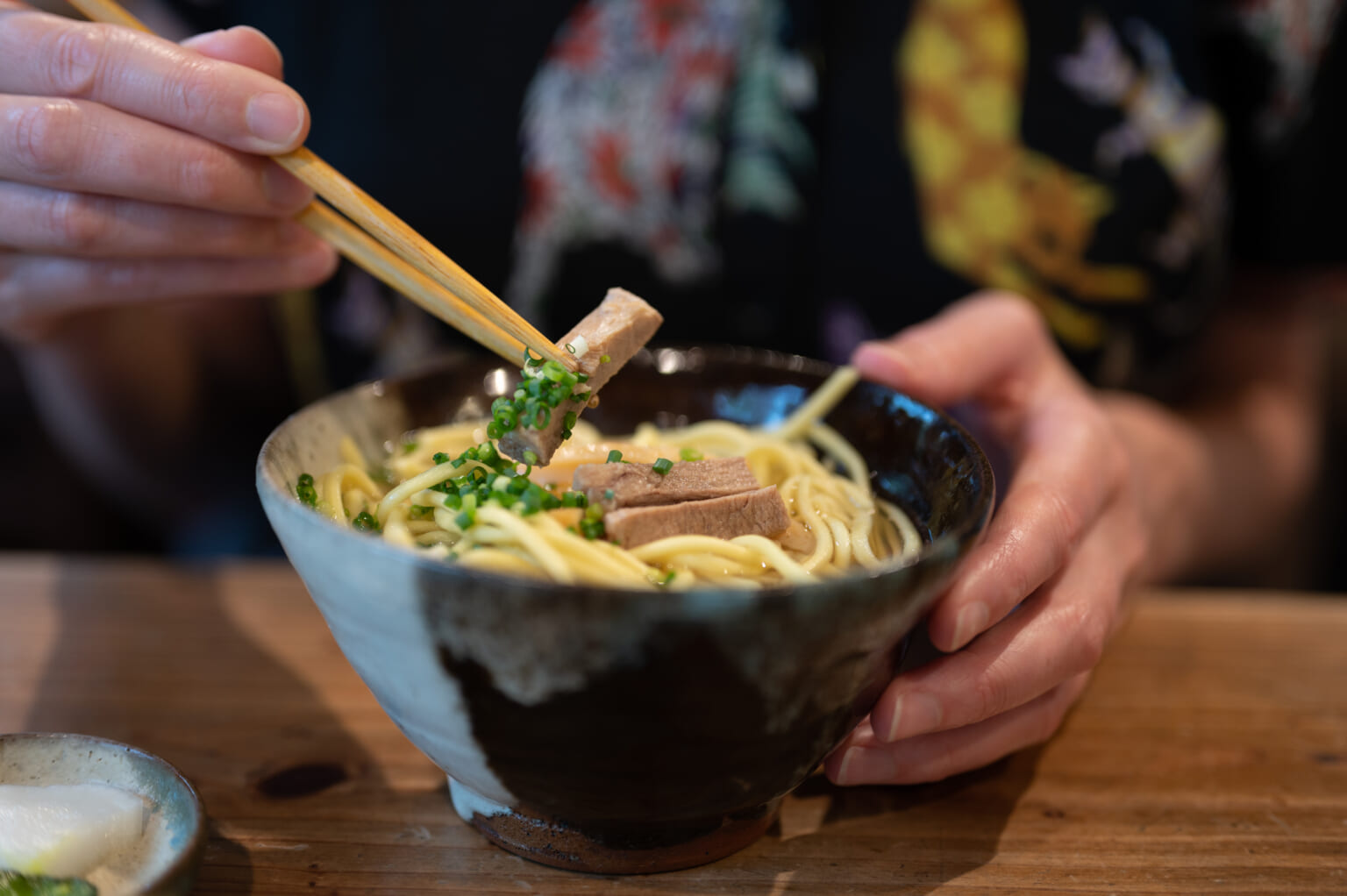
Yaeyama soba
Yaeyama soba is an everyday meal on the islands. The noodles are made from wheat rather than buckwheat and served in a broth often based on pork or bonito, usually with sliced pork, Yaeyama kamaboko (fish cake) and green onion. Broth and toppings vary between shops. If you are vegetarian, ask about the stock and toppings rather than assuming the wheat noodles make it a vegetarian dish.
Fish and seaweed
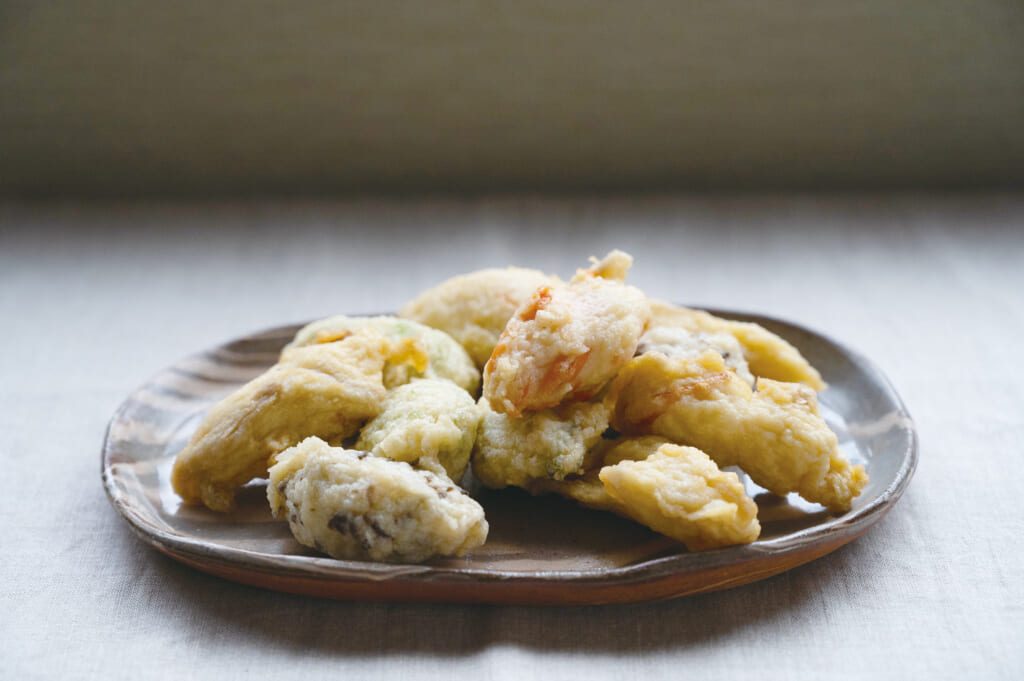
Seafood is part of everyday eating in Yaeyama. Tuna and bonito may appear as sashimi, while fish tempura and Yaeyama kamaboko, an island-style fish cake, offer other ways to try local flavours. Sea vegetables such as mozuku and umibudō (sea grapes) also appear on menus. Availability depends on the catch, the season and the kitchen.
Vegetables and tofu
Vegetable dishes deserve just as much attention. Goya champuru brings bitter melon together with Okinawan tofu and often egg; shima tofu also appears in other stir-fries, while yushi tofu has a soft texture and is often served warm. These dishes are not necessarily vegetarian: champuru may contain pork or fish-based seasoning, and tofu soups may use fish stock. If you avoid animal ingredients, check the broth and seasonings.
For meat eaters, Ishigaki beef is another local option, often served as yakiniku or steak.
See what the island grows and makes.
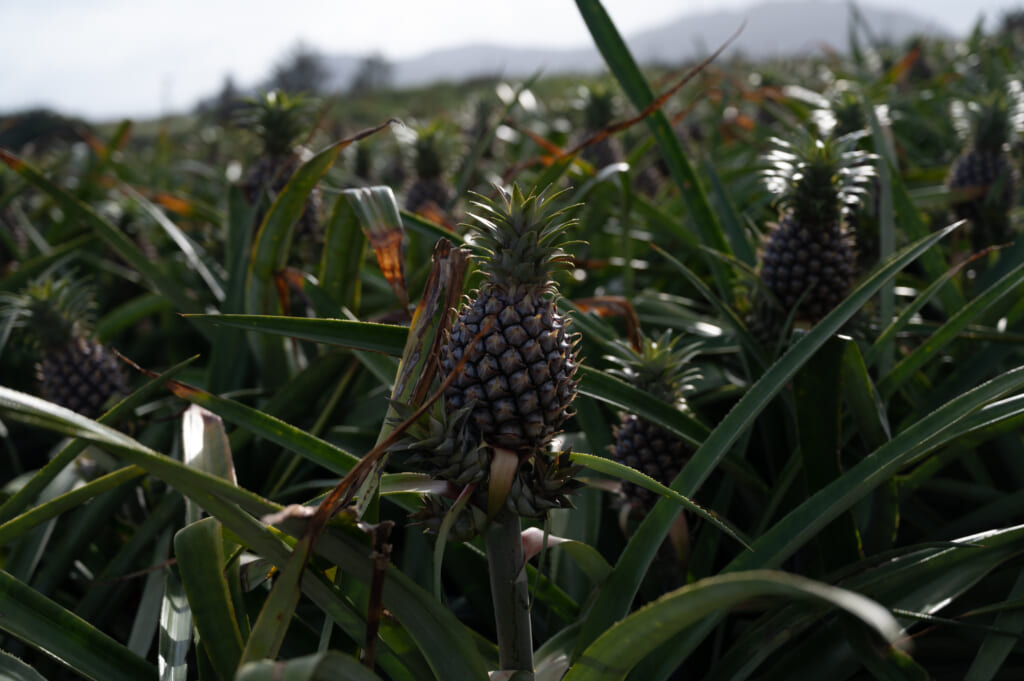
Fruit growing is part of Ishigaki's food landscape. Pineapple and mango have their seasons, while shops and farmers' markets offer produce, seaweed products and black-sugar sweets alongside goods brought from elsewhere. Ask what is grown or made locally during your visit.
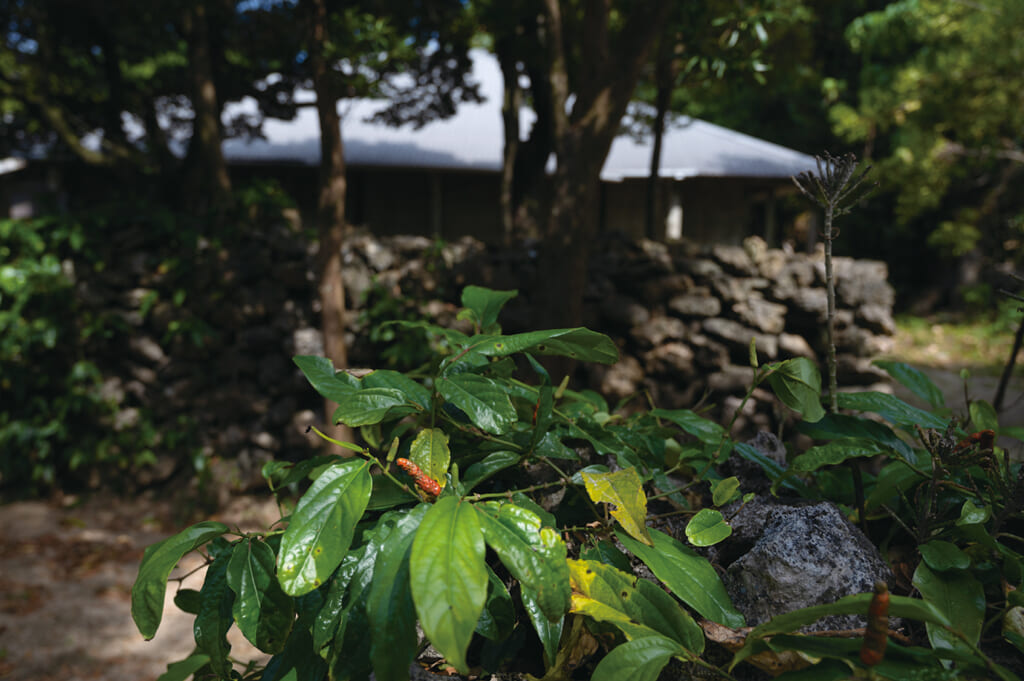
Pīpāchī is a fragrant long pepper often sprinkled onto Yaeyama soba. Kōrēgusu is a different condiment, made with chillies steeped in awamori, and adds heat. Try a little at a time to see how each changes the flavour.
Three places we still enjoy.
Joo Chiat, Papiru and Pinacolada remain personal recommendations that we still visit and enjoy. Joo Chiat belongs with a day in Kabira; Papiru is a cake shop and café in Shiraho; Pinacolada is a bakery to keep in mind when planning your time on Ishigaki.
The linked stories describe each place in more detail. Use them to decide what fits your day, then check the business's current opening information before making a special journey. An older account of a meal captures that visit, while today's menu and hours may be different.
Follow an ingredient back to its maker.
Awamori is a distilled rice spirit with an important place in Okinawan food culture. Our visit to Ikehara Distillery on Ishigaki became a hands-on introduction to steamed rice, black koji and a craft carried through a family's generations.
The linked story follows the people and work behind the bottle. It offers another way to understand island food and the making traditions around it. The same curiosity can shape a meal: learning where an ingredient comes from often makes it more memorable.
Make the practical part of eating out easy.
Think about meals when choosing where to stay, especially away from the city. If there is somewhere you particularly want to eat, check current opening days, reservation arrangements and payment methods with the business. Keep a little flexibility for a change of plan or something that catches your interest.
For dietary needs, discuss ingredients directly with the kitchen. Broths, sauces and toppings deserve attention as well as the main dish. Use DiscoverYaima's food stories for ideas, then confirm the details that matter to you. A small local diner, a bakery, an international restaurant and a more elaborate meal can all be part of an enjoyable stay.