Before the performances
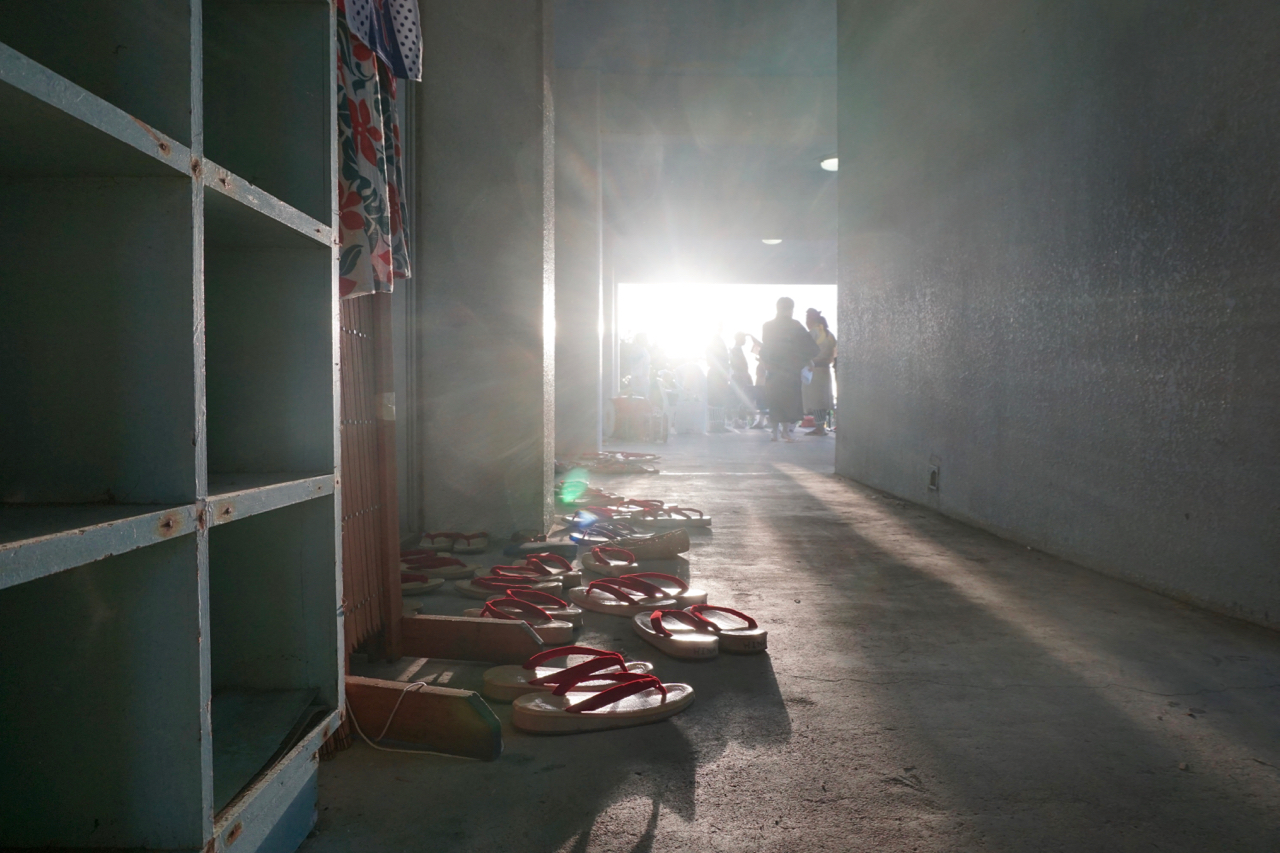
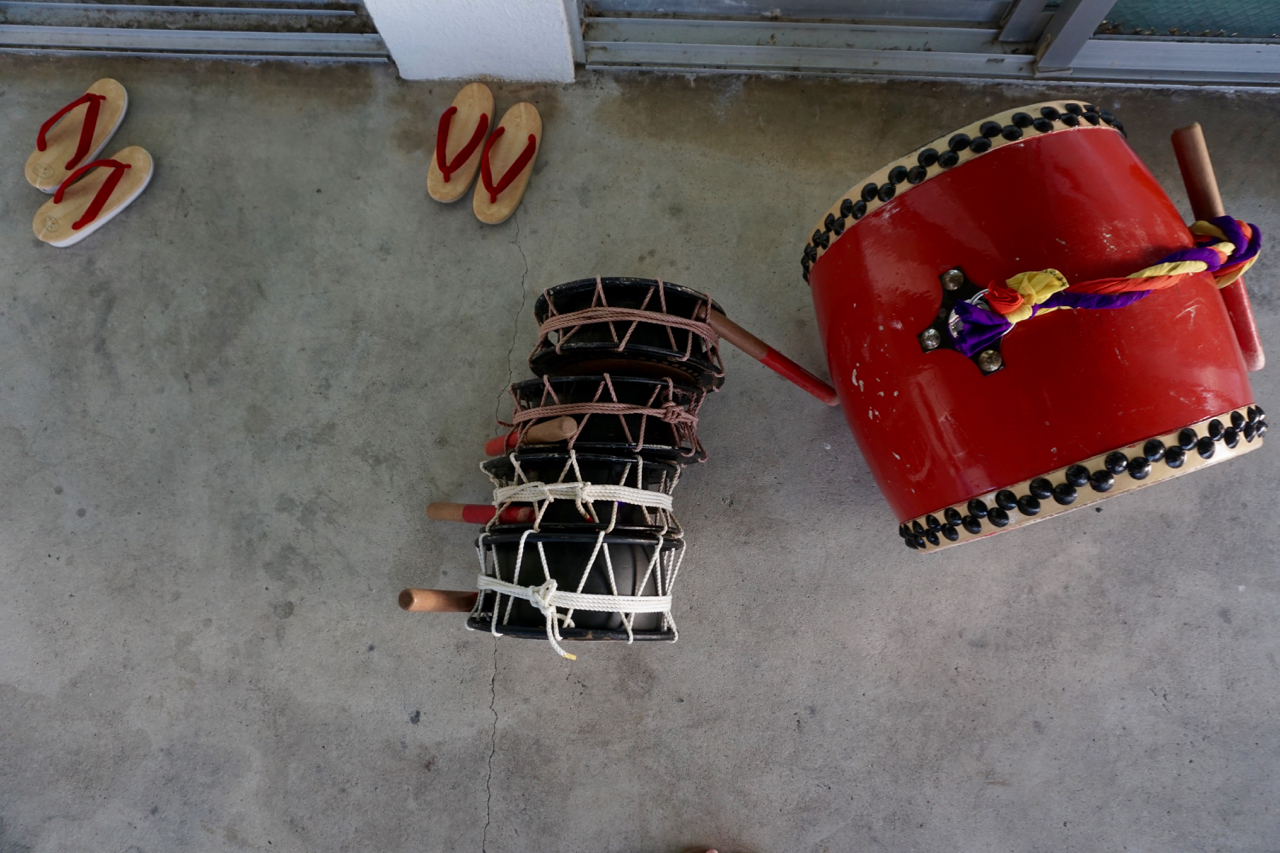
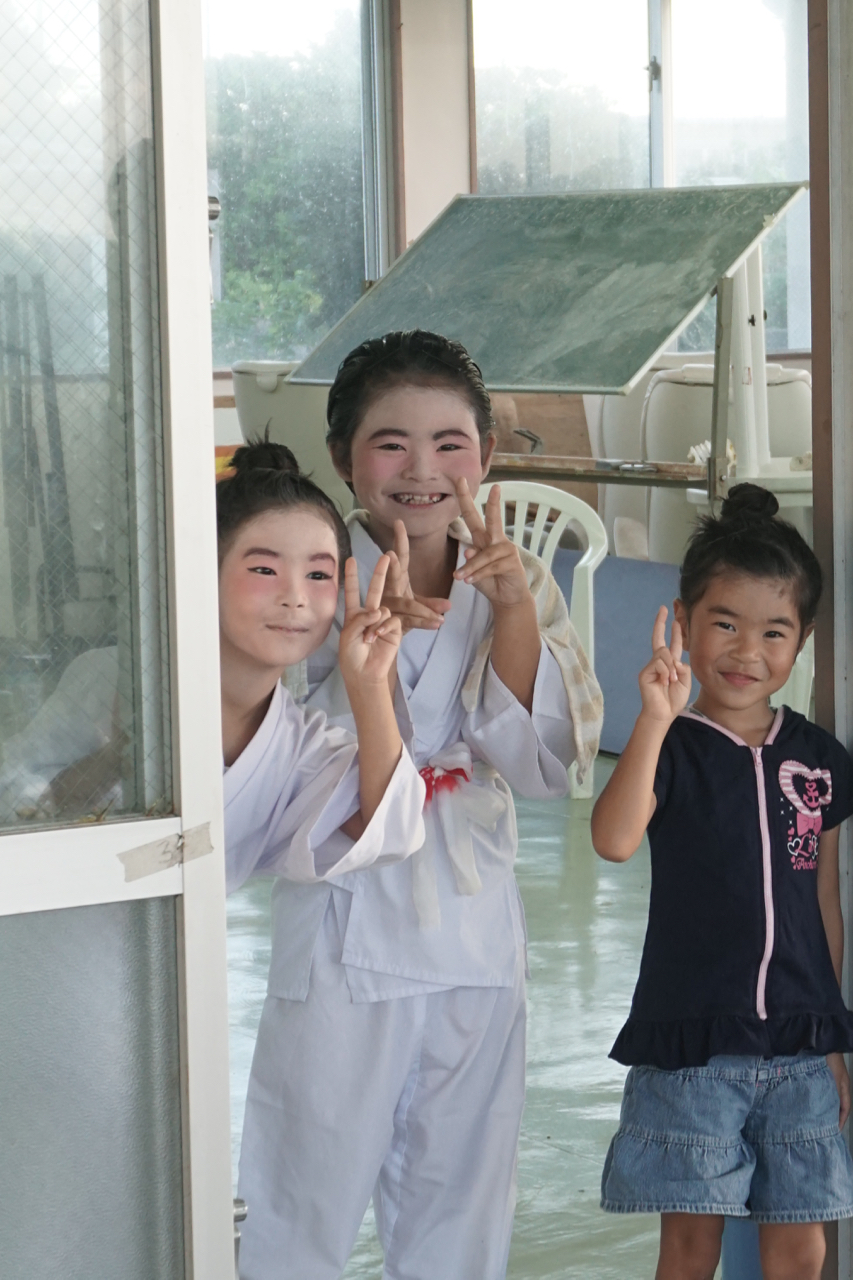
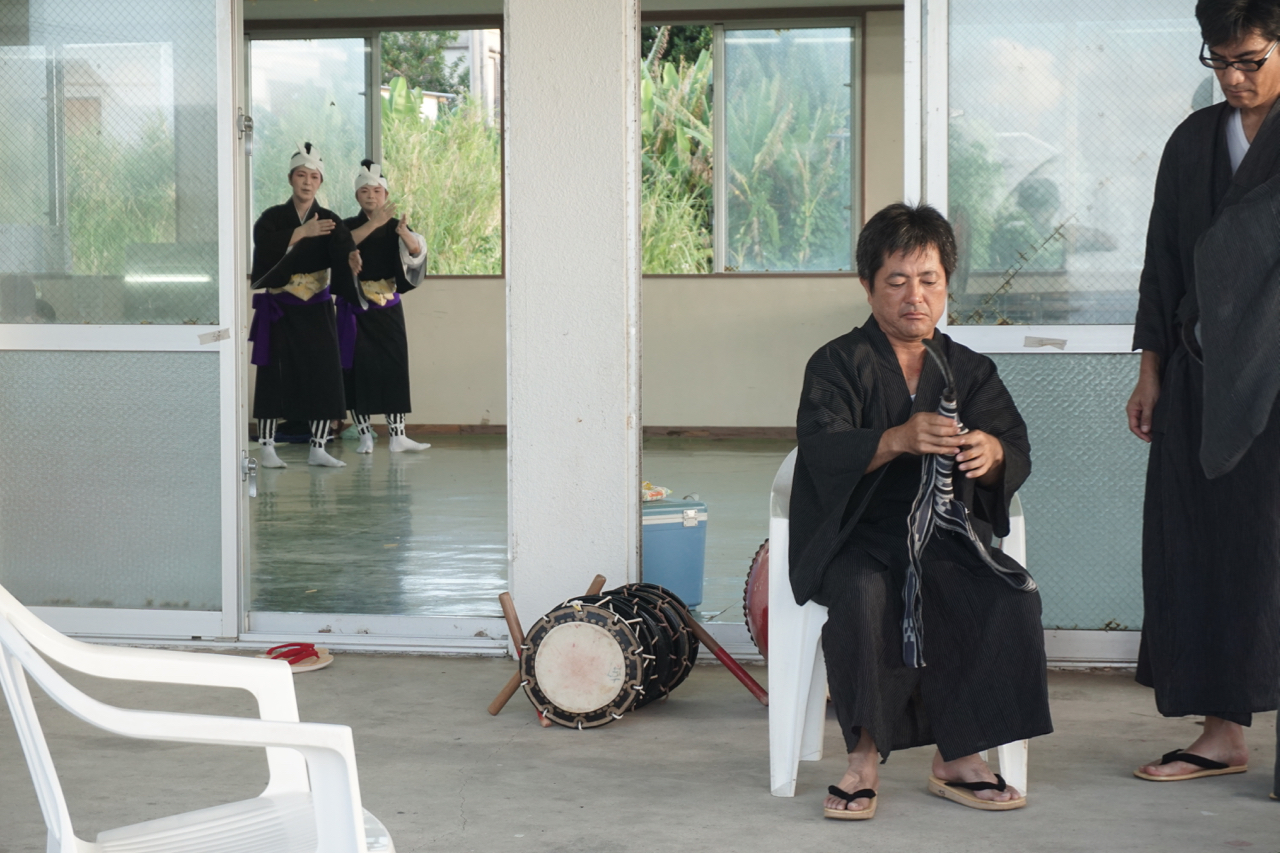
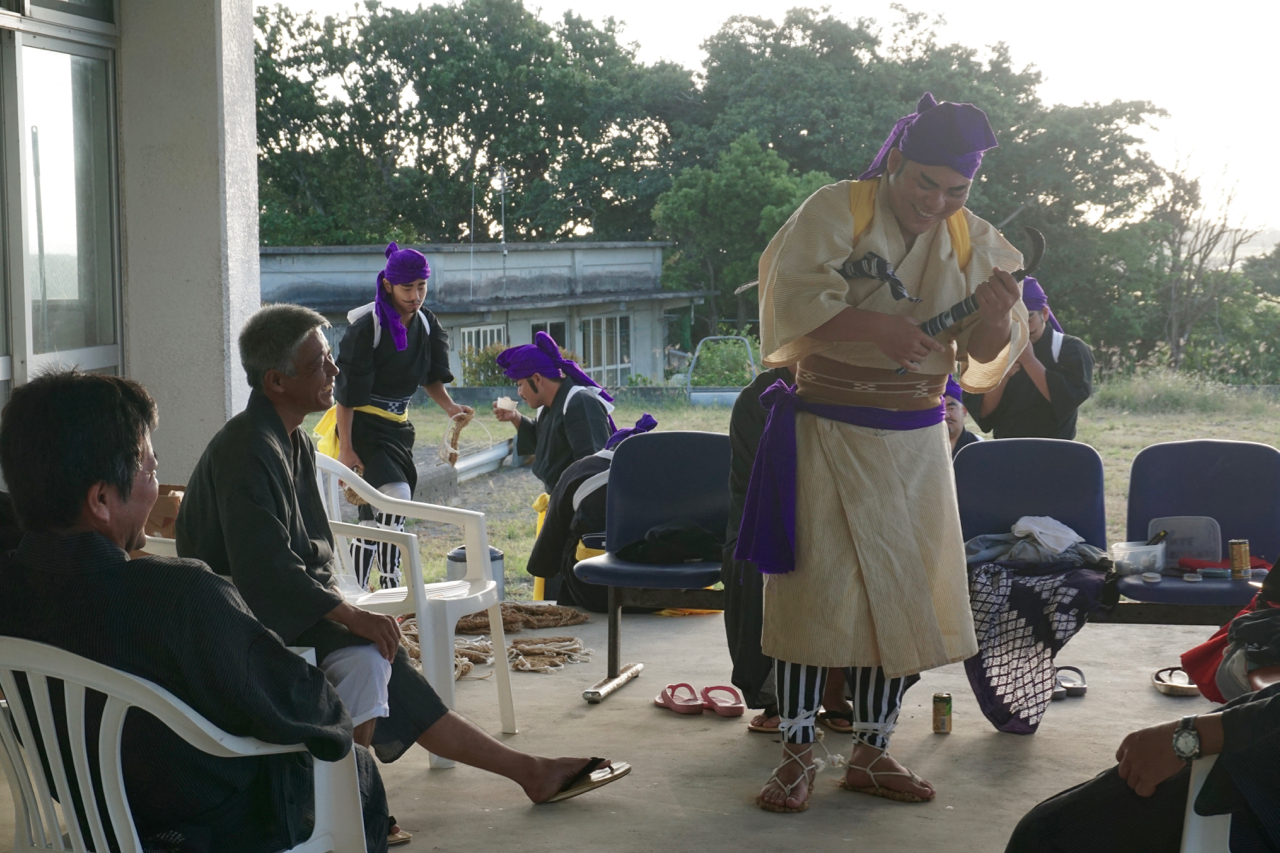
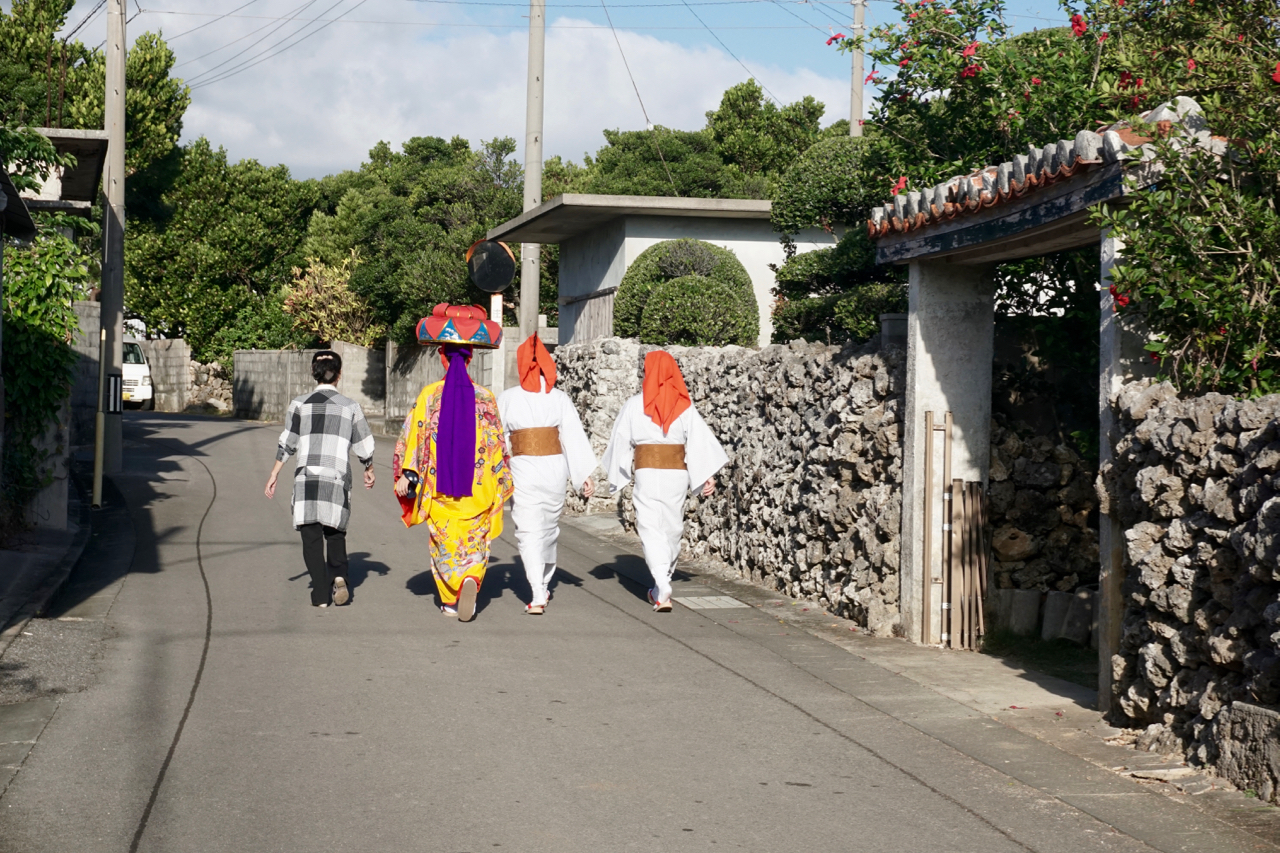
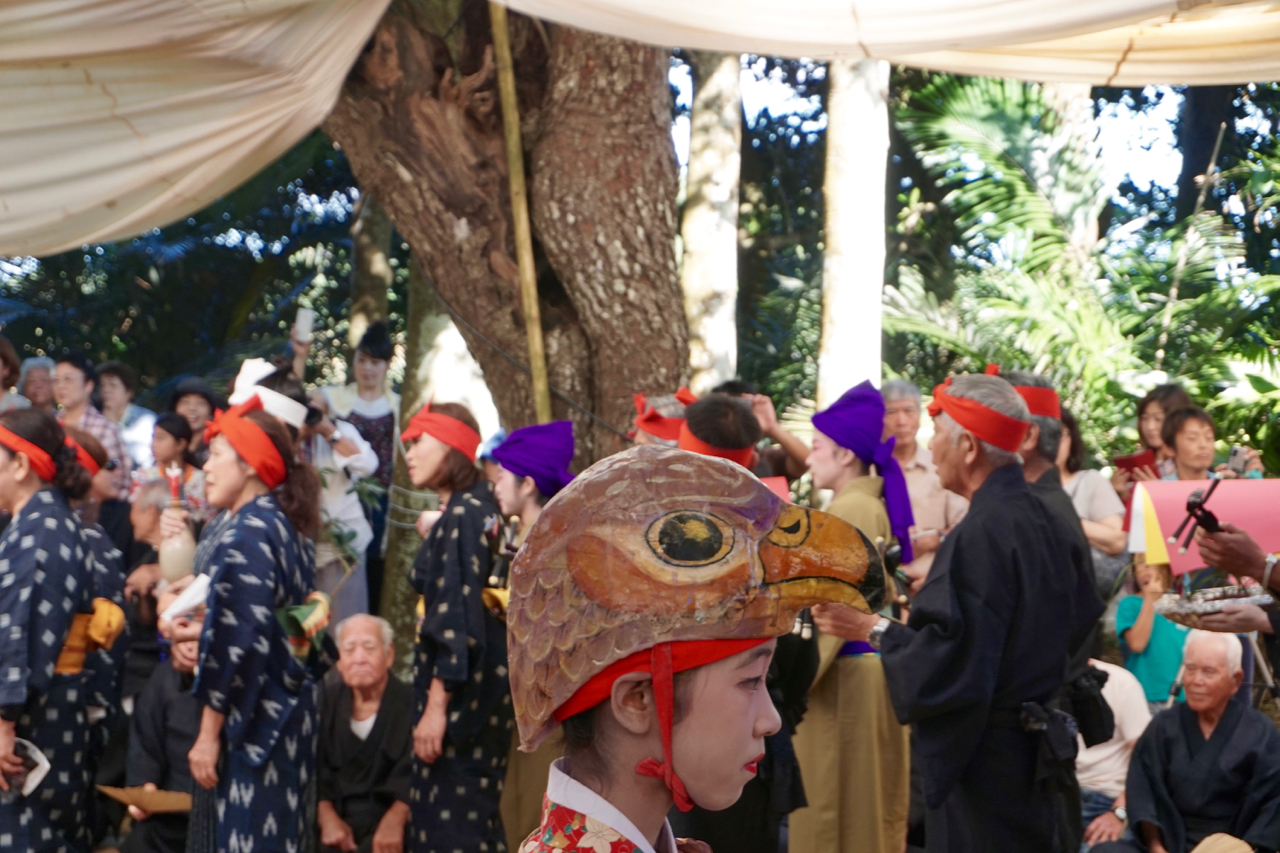
We arrived after sunrise, while the day was still beginning. Performers were getting ready, helping one another dress, practising movements and waiting together before the performances began. That time before the formal programme stayed with us as much as the performances themselves.
A festival of gratitude and prayer
Kitsugansai belongs to Kohama’s lunar ritual calendar. Taketomi Town and the Agency for Cultural Affairs describe it as a time to give thanks for the year’s prayers and blessings, and to pray for future abundance, including harvest and well-being. It is not simply a “fulfilled wishes festival”.
The performing arts connected with Kohama’s Obon, Kitsugansai and Tanadui were designated an Important Intangible Folk Cultural Property of Japan in 2007. These sources give the wider context; our account here remains about the 2018 day we experienced.
North and south
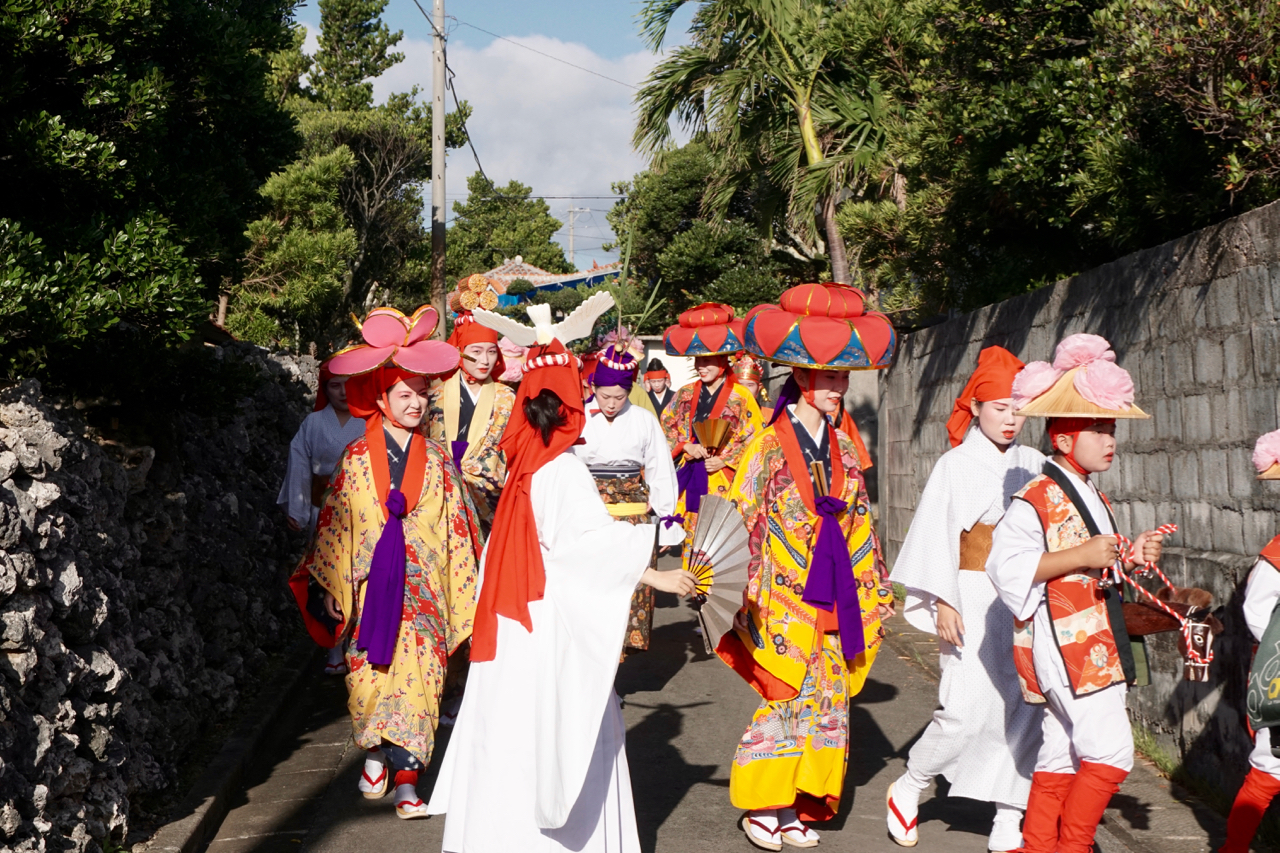
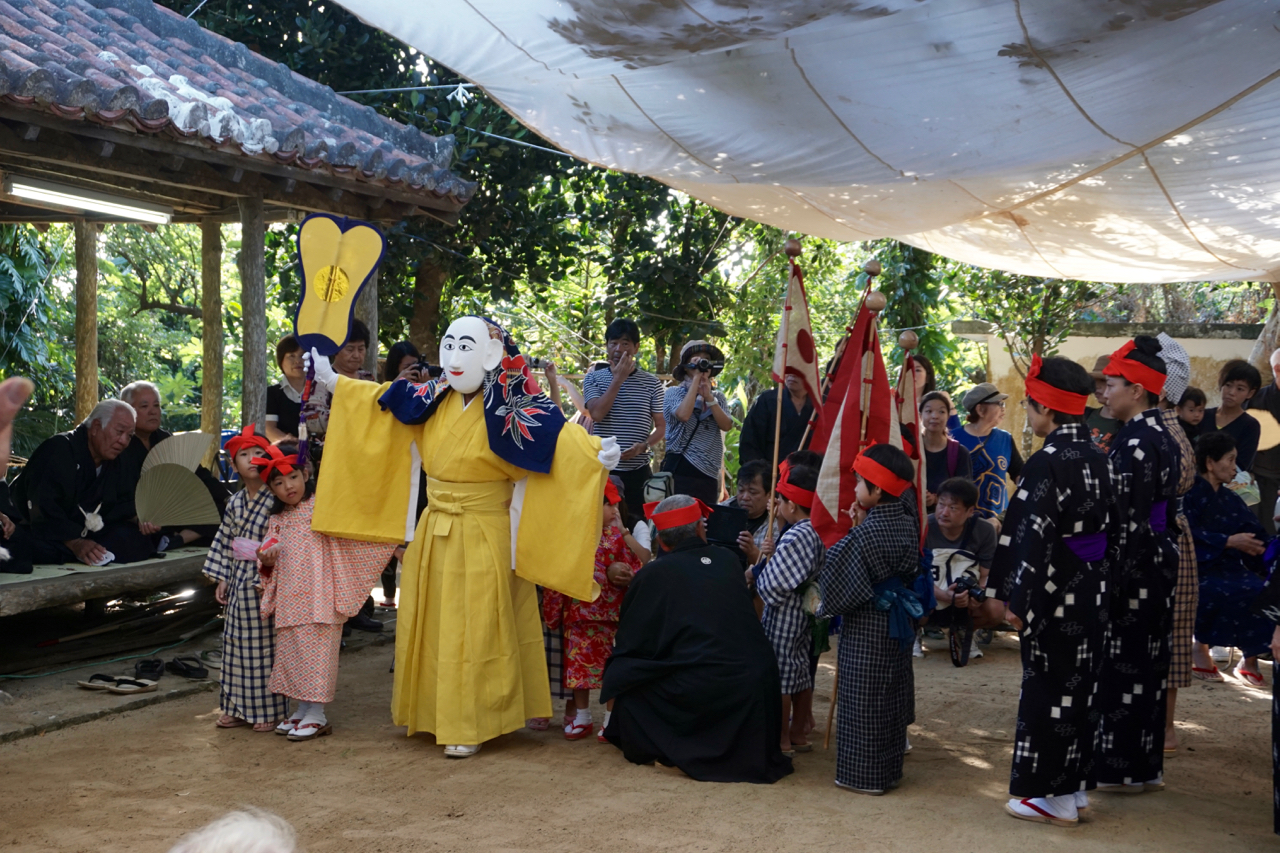
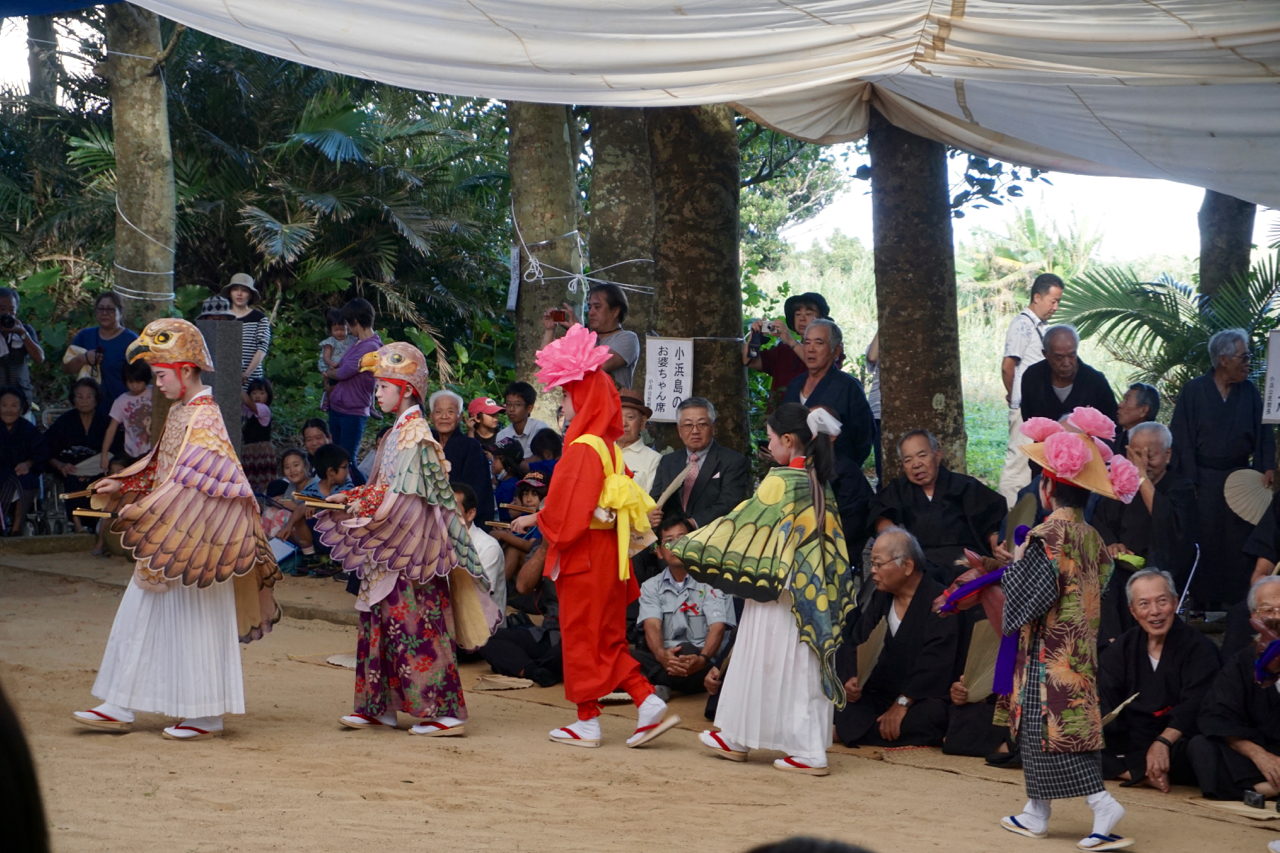
We saw the north and south communities arrive and perform as distinct groups. Local sources identify the northern side with Mīruku (also written Mīraku) and the southern side with Fukurokuju. Their performances include dance, music, kyōgen and other Kohama-specific pieces.
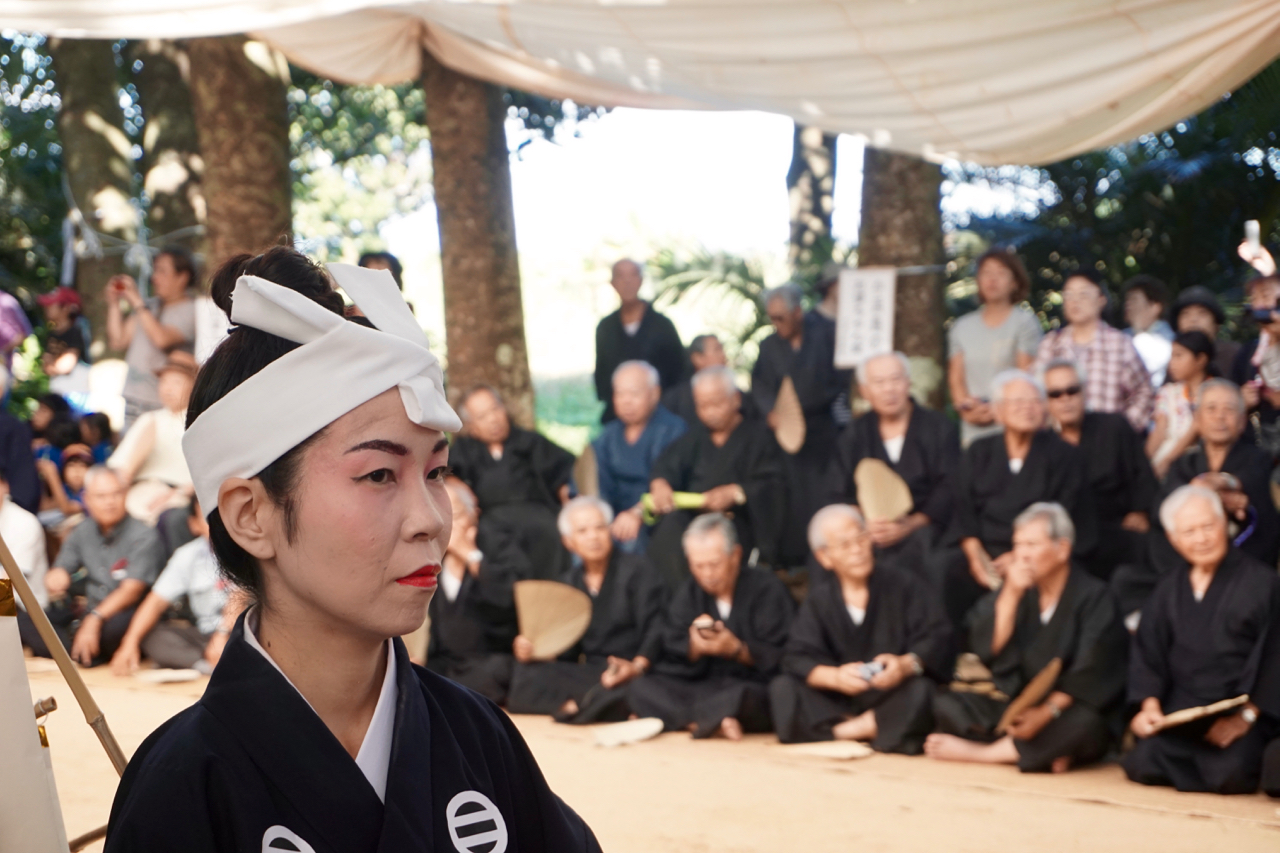
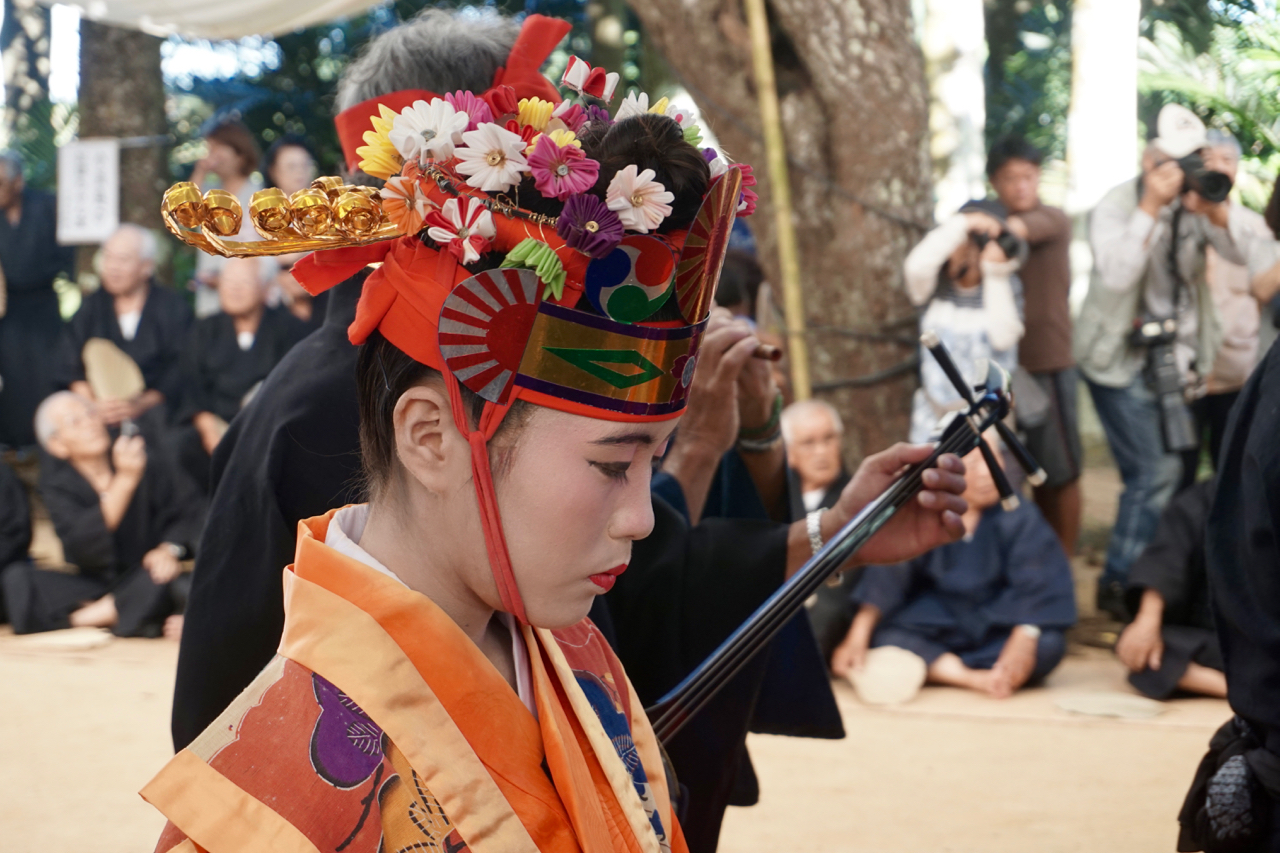
Two portraits from our archive show figures from the festival. We have not been able to confirm which is Mīruku and which is Fukurokuju from the original photo sequence, so we are leaving the captions literal.

The people behind the ritual
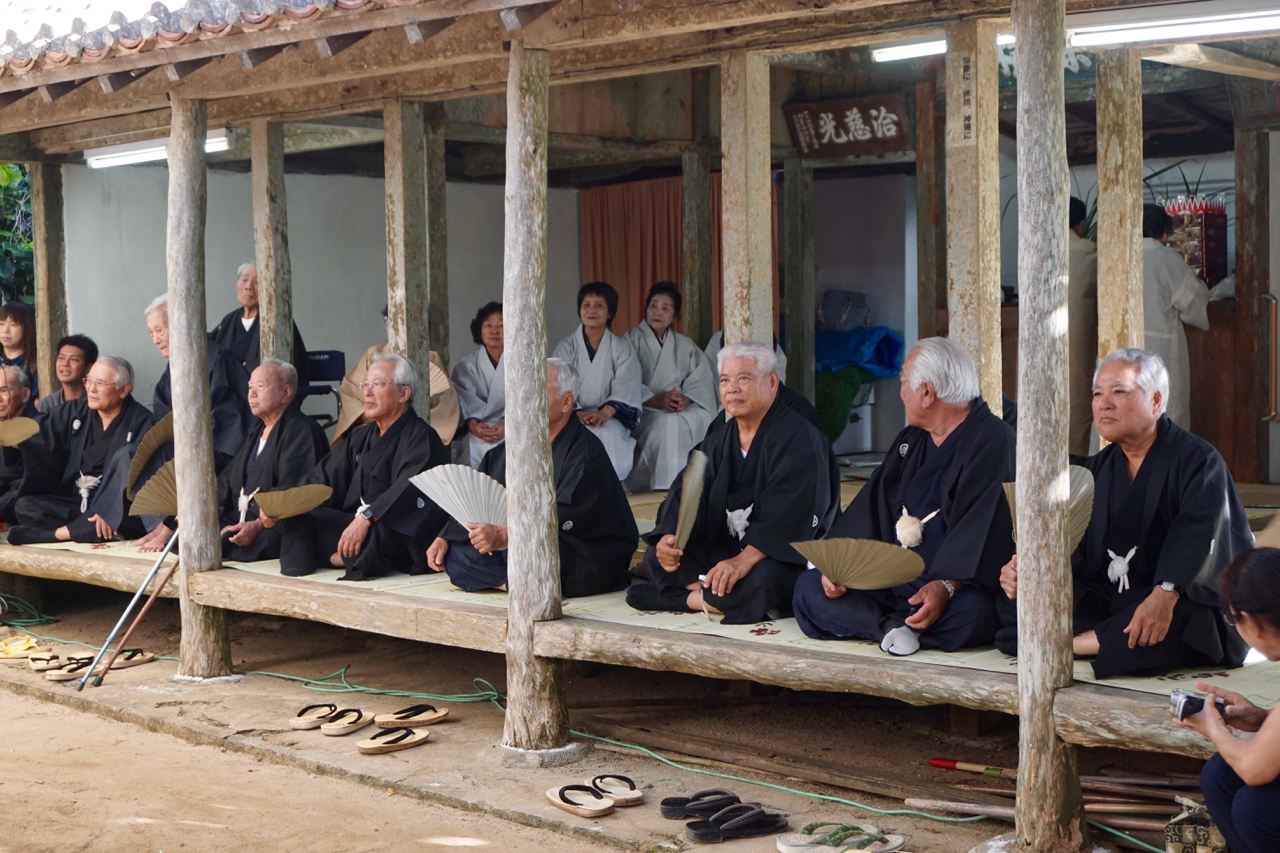
During the festival, we saw the 神司, ritual priestesses. This is the local term we use here. We are describing their visible presence in the festival, not assigning them private responsibilities, a succession system or supernatural powers.
The performances
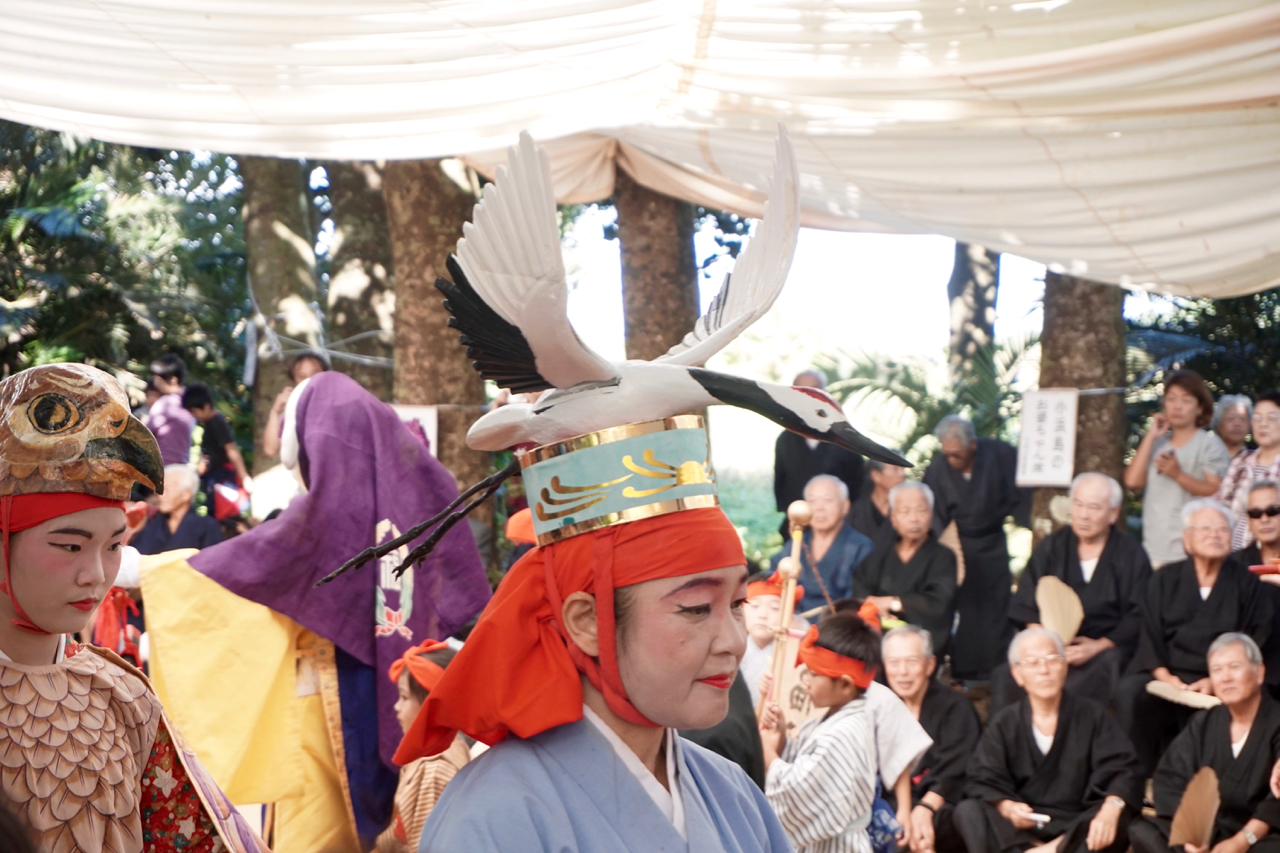
We watched performances unfold through the day: movement, music, dance and the changing rhythms between groups. We are not trying to turn this archive account into a programme list, and have only named forms where reliable local sources identify them.

What we were told
We were told during our visit that people who had moved to Kohama from elsewhere in Japan and become part of island life could also participate. We are keeping this as something we heard in 2018, not as a formal rule or a statement about current participation.
What stayed with us
What we remember most is the work before the performances: people dressing one another, practising and waiting together, then moving into the festival as north and south communities.
Local context
Taketomi Town: Kitsugansai on Kohama ↗
Agency for Cultural Affairs: Kohama’s Obon, Kitsugansai and Tanadui performing arts ↗